Papaya 3D Papercraft: A Strategic Tool for Creativity and Practical Use
For those seeking a blend of artistic expression and practical application, the Papaya 3D Papercraft offers a unique solution. This design is more than just a creative project—it's a versatile tool that can enhance decor, elevate events, and support various strategic goals. Whether you're an entrepreneur, educator, or hobbyist, understanding how to use this papercraft effectively can lead to better results in both personal and professional contexts.
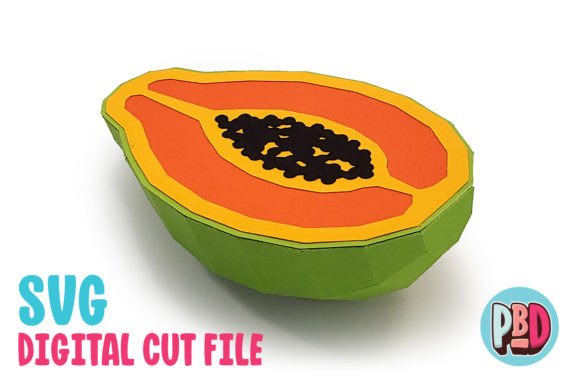
The Papaya 3D Papercraft measures 5.5 L x 3.5 W x 2 H and is designed to be built using medium cardstock. The kit includes a comprehensive set of files—SVG cut files, DXF cut files, and PDF instructions—ensuring that users have everything they need to bring the design to life. However, the success of this project depends on thoughtful planning, proper execution, and a clear understanding of its potential applications.
Why Papaya 3D Papercraft Matters Strategically
In a world where visual appeal and hands-on engagement are increasingly valued, the Papaya 3D Papercraft stands out as a resource that supports multiple objectives. From a strategic perspective, it serves as a tangible example of how creativity can be harnessed to achieve specific outcomes. For instance, entrepreneurs might use it to create eye-catching displays for pop-up shops or product launches, while educators could incorporate it into classroom activities to teach spatial reasoning and design principles.
Moreover, the design’s adaptability makes it suitable for a wide range of scenarios. It can be used as a centerpiece for parties, a decorative element for events, or even as a teaching aid in workshops. By integrating this papercraft into your workflow, you’re not just creating something visually appealing—you’re building a foundation for better communication, engagement, and operational efficiency.
When to Use Papaya 3D Papercraft and How to Approach It
The key to leveraging the Papaya 3D Papercraft lies in understanding when and how to use it. For optimal results, consider the following scenarios:
- Event Planning: Use the papercraft as a focal point for weddings, birthdays, or corporate events. Its vibrant design and three-dimensional structure add depth and interest to any space.
- Marketing Campaigns: Incorporate the papercraft into promotional materials or as part of interactive experiences at trade shows or brand activations.
- Education and Workshops: Teach students or participants about design, geometry, and craftsmanship through hands-on assembly.
- Home Decor: Transform your living space with a custom-made papercraft that reflects your style and personality.
To approach the project effectively, start by reviewing the included PDF instructions thoroughly. Ensure that all materials are prepared in advance, and familiarize yourself with the software requirements. The SVG cut files are compatible with Silhouette Designer Edition and Cricut Design Space, while the DXF files work with Silhouette Basic Edition. Note that DXF files may require additional setup, such as adjusting preferences in Silhouette Studio to ensure proper loading and accuracy.
Strategic Considerations Before Relying on Papaya 3D Papercraft
Before committing to the Papaya 3D Papercraft, it’s important to evaluate its relevance to your specific goals. Ask yourself: What outcome am I trying to achieve? How will this project contribute to my overall strategy? Without clear objectives, the project may become a distraction rather than a valuable asset.
Additionally, consider the time and resources required to complete the project. While the design is straightforward, assembling a 3D papercraft requires attention to detail, patience, and a certain level of skill. If you're new to papercraft, allocate extra time for practice and experimentation. This will help you avoid frustration and ensure a higher-quality result.
Another consideration is the choice of materials. The instructions recommend using medium cardstock, but depending on your needs, you may want to explore alternative options. For example, thicker cardstock can provide greater durability, while colored or patterned paper can add a unique aesthetic. Experimentation can lead to innovative results, but it’s important to balance creativity with practicality.
Practical Examples of Effective Use
One practical example of the Papaya 3D Papercraft in action is its use in retail environments. A small business owner might create several papercrafts to display products in-store, drawing attention and enhancing the shopping experience. These decorations can also serve as conversation starters, helping to build customer connections and brand loyalty.
Another example is its use in educational settings. Teachers can integrate the papercraft into lessons on geometry, art, or environmental science. Students can learn about shapes, measurements, and spatial relationships while engaging in a fun, hands-on activity. This approach not only reinforces learning but also encourages creativity and problem-solving skills.
For event planners, the papercraft can be used as a signature element at themed parties or conferences. By incorporating the design into invitations, signage, or centerpieces, planners can create a cohesive and memorable experience for attendees. This level of detail can differentiate an event from others and leave a lasting impression.
Risks of Using Papaya 3D Papercraft Without Clear Goals
While the Papaya 3D Papercraft has many benefits, it’s important to recognize the risks of using it without a clear purpose. Randomly creating papercrafts without a defined goal can lead to wasted time, resources, and effort. It may also result in a lack of direction, making it difficult to measure the impact of the project.
Without a strategic approach, the papercraft may not align with broader objectives, such as branding, marketing, or educational goals. This can reduce its effectiveness and limit its value. To avoid this, always ask yourself: How does this project fit into my larger plan? What do I hope to achieve by completing it?
Additionally, without proper planning, technical challenges may arise. For example, if the SVG or DXF files are not properly configured, the cutting process may be delayed or inaccurate. This can lead to frustration and subpar results. Taking the time to understand the software requirements and test the files before starting the project can prevent these issues.
Intentional Use of Papaya 3D Papercraft for Long-Term Value
To maximize the long-term value of the Papaya 3D Papercraft, approach it with intentionality. Think about how it can be integrated into your daily routine, projects, or business strategies. For instance, if you run a creative business, consider using the papercraft as a sample or prototype for future designs. This can help you refine your ideas and attract clients who appreciate handmade, personalized work.
Another way to leverage the papercraft is to share it with others. By creating tutorials, sharing your process on social media, or collaborating with other creators, you can build a community around your work. This not only enhances your visibility but also opens up opportunities for partnerships, sponsorships, or new ventures.
Finally, keep a record of your progress and outcomes. Documenting how the papercraft has contributed to your goals can help you refine your approach over time. This data can also serve as a reference for future projects, allowing you to make informed decisions based on past experiences.
Conclusion: A Thoughtful Investment in Creativity and Strategy
The Papaya 3D Papercraft is more than just a decorative item—it’s a strategic tool that can support a wide range of goals and applications. By using it intentionally, you can enhance your creative output, improve your planning, and achieve better results in both personal and professional settings. Whether you’re looking to elevate your decor, engage your audience, or develop new skills, this papercraft offers a valuable opportunity to think critically and act decisively.