Acoustic Guitar 3D Papercraft: A Strategic Decor for Music Lovers
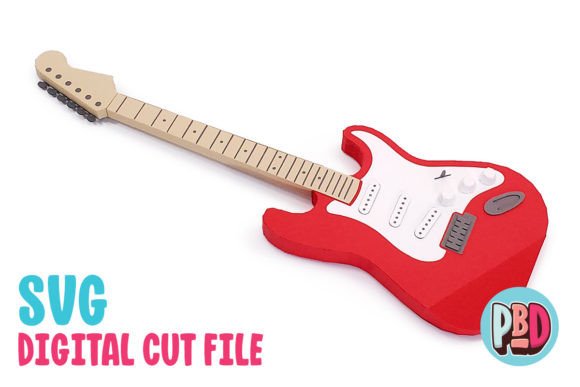
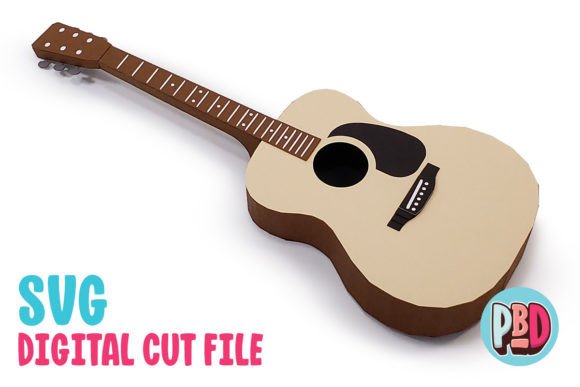
The Acoustic Guitar 3D Papercraft is more than just a creative project—it’s a strategic addition to any space that values both aesthetics and functionality. Designed for music lovers, this model offers a unique way to showcase passion for music while adding a touch of sophistication to any room. Whether placed in a bedroom, used as a centerpiece at a party, or displayed at an event, the Acoustic Guitar 3D Papercraft serves as a conversation starter and a symbol of artistic expression.
Measuring 5.5 W x 15 T x 1.5 D, this papercraft model is compact yet detailed enough to capture the essence of a real acoustic guitar. The design is crafted to be built using medium cardstock, making it accessible for hobbyists and professionals alike. With the included materials—SVG cut files, DXF cut files, and PDF instructions—users have multiple options for creating their own version of this iconic instrument.
Why Acoustic Guitar 3D Papercraft Matters for Strategic Planning
For entrepreneurs, marketers, and creators, the Acoustic Guitar 3D Papercraft represents a valuable tool for visual storytelling and brand positioning. Incorporating such a model into a product display or promotional material can help communicate a deeper connection to music and creativity. It’s not just about the final product; it’s about the process of building and the message it conveys.
Strategic use of this papercraft can support long-term goals by enhancing customer experience and reinforcing brand identity. For instance, a music store might use the Acoustic Guitar 3D Papercraft as a decorative element in its showroom, signaling a commitment to craftsmanship and artistry. Similarly, a musician or band could use it as part of their branding strategy, linking their image with a tangible representation of their passion.
When considering the Acoustic Guitar 3D Papercraft as part of a larger plan, it’s important to think about how it aligns with specific objectives. Is it meant to serve as a marketing tool? A creative outlet? A learning resource? Answering these questions helps ensure that the project contributes meaningfully to broader goals.
Practical Use Cases for Acoustic Guitar 3D Papercraft
The versatility of the Acoustic Guitar 3D Papercraft makes it suitable for a wide range of applications. For educators, it can be a hands-on project that teaches students about design, precision, and patience. In a classroom setting, building the model can be part of a lesson on geometry, spatial reasoning, or even music history.
For small business owners, the Acoustic Guitar 3D Papercraft can be a unique product to sell or offer as a free sample. It provides an opportunity to engage with customers in a meaningful way, encouraging them to connect with the brand through a shared interest in music and craftsmanship.
Event planners can also benefit from this model. Using it as a table decoration or a gift for attendees adds a personal touch that reflects attention to detail. It’s a subtle but effective way to elevate the overall experience of an event, whether it’s a concert, a wedding, or a corporate gathering.
How to Approach Building the Acoustic Guitar 3D Papercraft
Building the Acoustic Guitar 3D Papercraft requires careful planning and execution. Before starting, users should review the provided PDF instructions to understand the steps involved. This includes preparing the materials, setting up the cutting software, and organizing the pieces for assembly.
The SVG cut file is ideal for users who have access to Silhouette Designer Edition or Cricut Design Space. These platforms allow for precise cuts that make the assembly process smoother. For those using Silhouette Basic Edition, the DXF file is an alternative, though it may require additional setup to ensure compatibility.
One key consideration when working with the DXF file is adjusting the preferences in Silhouette Studio. Changing the import setting from “As-is” to “Centered” ensures that the file loads correctly and maintains its integrity. While the DXF file may take longer to open and isn’t as clean as the SVG version, it still provides a viable option for users with different software capabilities.
Once the files are ready, the next step is to cut the pieces and begin assembling the model. This process tests patience and attention to detail, but the end result is a beautifully crafted representation of an acoustic guitar that can be proudly displayed.
Strategic Observations and Decision-Making Guidance
When integrating the Acoustic Guitar 3D Papercraft into a project or business strategy, it’s essential to consider the target audience. Who will be interacting with this model? What message does it need to convey? These questions help determine the best way to use the papercraft and maximize its impact.
For example, if the goal is to attract music enthusiasts, the model should be presented in a way that highlights its authenticity and quality. If the focus is on education, the emphasis should be on the learning opportunities it provides. Understanding the purpose behind the project ensures that every decision aligns with the intended outcome.
Another strategic observation is the importance of context. The Acoustic Guitar 3D Papercraft works best when it’s part of a larger narrative. Whether it’s used as a promotional item, a teaching aid, or a personal project, it gains value when it fits within a broader story or objective.
Potential Risks of Using Acoustic Guitar 3D Papercraft Without Clarity
While the Acoustic Guitar 3D Papercraft is a rewarding project, using it without clear goals or context can lead to wasted time and resources. For instance, building the model purely for the sake of creation may not yield the desired results. Without a defined purpose, the effort may not translate into meaningful outcomes.
Additionally, relying on the papercraft without understanding the technical requirements can cause frustration. Users who are unfamiliar with SVG or DXF files may struggle with the setup process, leading to delays or incomplete projects. Proper preparation and research are crucial to avoiding these pitfalls.
It’s also important to recognize that the Acoustic Guitar 3D Papercraft is not a one-size-fits-all solution. Its effectiveness depends on how it’s used and the environment in which it’s placed. For some, it may be a simple hobby project, while for others, it could be a strategic asset. Recognizing these differences helps in making informed decisions about its application.
Long-Term Value and Intentional Use
To fully leverage the Acoustic Guitar 3D Papercraft, users should approach it with intention. This means defining clear objectives, understanding the audience, and planning the implementation carefully. By doing so, the project becomes more than just a creative endeavor—it becomes a strategic tool that supports long-term goals.
Whether used as a decorative piece, an educational resource, or a marketing asset, the Acoustic Guitar 3D Papercraft has the potential to add value in various ways. The key is to use it intentionally, ensuring that each step of the process contributes to a greater purpose.
In conclusion, the Acoustic Guitar 3D Papercraft is more than just a paper model. It’s a versatile and meaningful project that can be strategically integrated into different aspects of life and work. By understanding its purpose, planning its use, and executing it with care, users can unlock its full potential and create something that resonates with both function and beauty.