Butterfly Layered Design: A Creative Approach to Crafting and Expression
In the world of crafting and design, the Butterfly Layered Design has emerged as a unique and visually striking method that combines artistry with practicality. This approach involves creating intricate layers that mimic the delicate wings of a butterfly, resulting in a dynamic and eye-catching final piece. Whether you're a hobbyist or a professional artist, understanding and utilizing this technique can elevate your creative projects and open up new possibilities for expression.
What is Butterfly Layered Design?
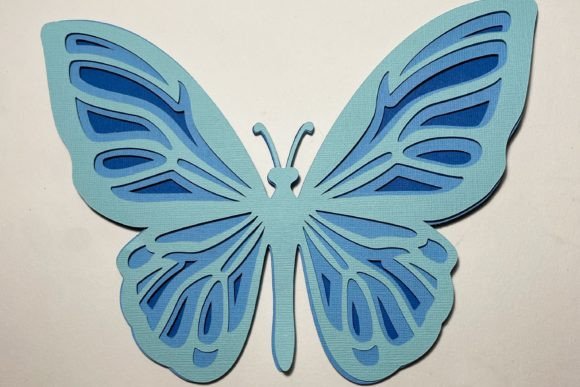
Butterfly Layered Design is a form of paper crafting that focuses on building depth and dimension through multiple layers. Each layer is carefully cut and arranged to create a three-dimensional effect that resembles the intricate patterns found on a butterfly’s wings. This design style is not only aesthetically pleasing but also offers a tactile experience that engages viewers on multiple levels.
The process typically involves using various materials such as cardstock, which is often chosen for its durability and texture. For instance, many crafters opt for Encore Cardstock 80 lb cover, 216 gsm, due to its high quality and ability to hold detailed cuts. The result is a finished product that is both beautiful and functional, suitable for a wide range of applications from greeting cards to wall art.
Why Butterfly Layered Design Matters Today
In today's fast-paced world, where digital experiences dominate, there is a growing appreciation for handmade and personalized items. Butterfly Layered Design taps into this trend by offering a way to create unique, meaningful pieces that stand out in a sea of mass-produced goods. As more people seek ways to express their individuality and creativity, this design technique provides an accessible and rewarding outlet.
Moreover, the rise of social media platforms has amplified the visibility of craft and DIY projects. Creators are sharing their work with a global audience, inspiring others to try new techniques and explore their own artistic potential. Butterfly Layered Design fits perfectly into this landscape, allowing individuals to showcase their skills and connect with like-minded enthusiasts.
Trends and Relevance in Modern Workflows
The concept of layered design aligns with current trends in both personal and professional settings. In the workplace, there is an increasing emphasis on creativity and innovation, with many businesses recognizing the value of unique, handcrafted elements in branding and marketing. Butterfly Layered Design can be used to create custom promotional materials, event decorations, or even office decor that reflects a company's identity and values.
For educators and parents, this design technique also offers a valuable tool for teaching children about art, science, and nature. By engaging in hands-on activities, young learners can develop fine motor skills, spatial awareness, and an appreciation for beauty and detail. The process of creating a butterfly layered design can be both educational and fun, making it a great activity for families and classrooms alike.
Evolution of the Butterfly Layered Design Concept
While the idea of layered design is not new, the specific focus on butterflies has gained traction in recent years. This shift can be attributed to a broader cultural interest in nature and sustainability. As more people become aware of environmental issues, there is a growing desire to incorporate natural elements into everyday life. Butterfly Layered Design serves as a reminder of the beauty and fragility of the natural world, encouraging a deeper connection with the environment.
Additionally, advancements in technology have made it easier for creators to access tools and resources that support their craft. Digital design software, laser cutters, and online tutorials have all contributed to the popularity of layered design. These innovations allow artists to experiment with new ideas and refine their techniques, leading to more sophisticated and intricate designs.
Practical Implications for Users and Creators
For those interested in trying Butterfly Layered Design, the availability of templates and instructional guides makes the process more approachable. Many designers offer downloadable resources in formats such as SVG, PDF, PNG, and DXF, providing flexibility for different skill levels and preferences. These files often include detailed instructions, ensuring that even beginners can successfully complete their projects.
One such resource includes a PDF with step-by-step guidance on how to create the craft, along with recommendations for materials like Encore Cardstock 80 lb cover, 216 gsm. This level of support empowers users to explore their creativity without the need for extensive prior experience. It also encourages a sense of community among crafters, who can share their results and learn from one another.
Recommendations for Getting Started
If you're new to Butterfly Layered Design, start by familiarizing yourself with the basic concepts and techniques. Begin with simple projects that allow you to practice cutting, layering, and assembling your pieces. As you gain confidence, you can experiment with more complex designs and incorporate additional elements such as embossing, stamping, or painting.
Investing in quality materials is also essential for achieving the best results. While the specific cardstock mentioned is a popular choice, there are other options available that may suit your needs and budget. Always consider the weight, texture, and color of the paper when selecting your materials, as these factors can significantly impact the final outcome.
Finally, don't hesitate to seek inspiration from other creators and share your own work. Engaging with the crafting community can provide valuable feedback and motivation, helping you grow as an artist and discover new ways to express your creativity.
Conclusion
Butterfly Layered Design represents a powerful intersection of art, craftsmanship, and modern trends. Its relevance in today's creative landscape highlights the enduring appeal of handmade and personalized items, while also reflecting a broader cultural shift towards sustainability and self-expression. Whether you're looking to enhance your craft skills, explore new creative avenues, or simply enjoy the process of making something beautiful, this design technique offers a rewarding and fulfilling experience.